Practical reading for the decisions that come before a cleaner arrives—and the small habits that help afterward.
01 / Choosing your service
Recurring maintenance or a deep clean: which does your home need?
Start with the condition of the rooms, not just the number of bedrooms. A home with mostly clear surfaces and routine dust needs a different approach from one with grime along baseboards, dusty vents, and buildup around fixtures. Walk through the kitchen, bathrooms, and living areas and note what needs attention.
Choose maintenance for everyday upkeep
Recurring maintenance suits a home that already has a manageable baseline. The focus is routine dusting, kitchen and bathroom surface care, and floors. Weekly visits can help when daily use creates a steady workload; bi-weekly visits offer a longer interval with some upkeep in between. Before choosing a frequency, consider pets, household size, cooking habits, and how much cleaning you want to do yourself.
Choose a deep clean for accumulated buildup
A deep clean adds attention to details such as baseboards, vents, and stubborn buildup. It can be a useful starting point before a recurring plan, especially after a long stretch without thorough cleaning. Identify the areas you care about most and share them before the visit. Do not assume that appliance interiors, high fixtures, or delicate materials are included: ask the team to confirm the scope.
For an empty property before or after a move, use the move-in or move-out service instead. Its purpose is turnover preparation, rather than maintaining a furnished home. See the residential service options and use our move-out checklist to organize priorities.
02 / Before the visit
How to prepare for your first professional cleaning
You do not need to clean the house before the cleaner arrives. Instead, make the surfaces and rooms accessible. A little preparation lets the visit focus on cleaning rather than deciding where loose belongings should go.
Clear access, not every trace of daily life
Put away clothing, toys, important papers, and valuables. Clear the floors and the countertops you want cleaned. If dishes or laundry need separate attention, discuss that in advance rather than assuming those tasks are part of the visit. Keep access to the sink and the rooms being cleaned unobstructed.
Share the details that matter
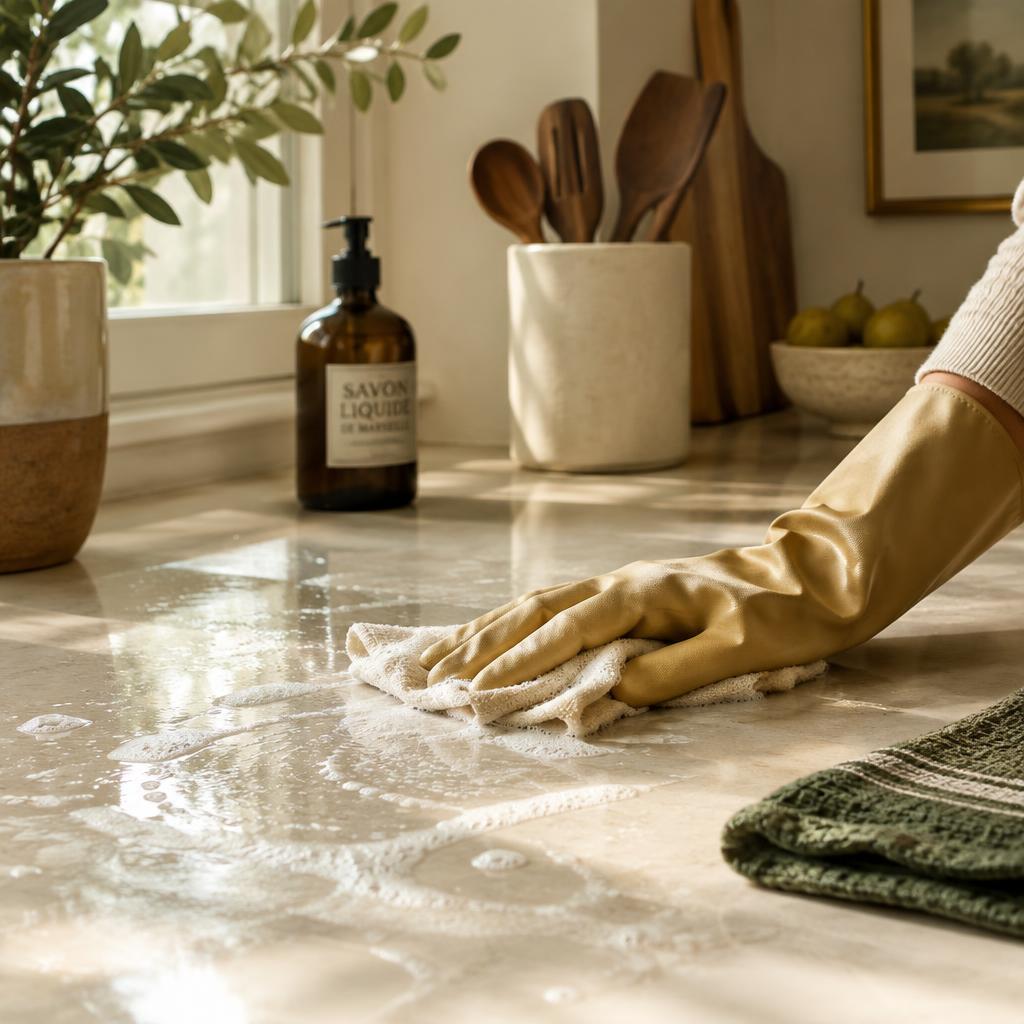
Explain entry arrangements and tell the team about pets, fragile items, rooms to skip, and surfaces with special care instructions. Marble, natural stone, wood, and specialty finishes can require different products. Share the manufacturer's instructions when you have them. If a household member has a fragrance preference or sensitivity, raise it before cleaning begins so the team can discuss an appropriate approach.
Pick a short priority list
Choose two or three areas that would make the biggest difference to you, such as shower buildup, kitchen surfaces, or dusty baseboards. Confirm those priorities and the agreed scope with the team. After the visit, take a walk through the cleaned rooms and share specific feedback while the details are fresh. Use our pre-visit checklist for a quick final check.
03 / Everyday care
A practical routine for dust between cleaning visits
Dust control works best as a repeatable routine. Start with the places you use most instead of trying to tackle every room at once. Keep a suitable cloth and the right floor-cleaning tools accessible, while storing cleaning products safely away from children and pets.
Work from higher surfaces down to floors
Use a lightly damp cloth where the surface permits it to collect dust from shelves and furniture. Follow care instructions for electronics and finishes that should not get wet. Finish with vacuuming or a floor-cleaning method appropriate for the material. Avoid spraying products directly onto electronics, and do not climb on furniture to reach high fixtures.
Reduce what comes in and collects
Use entry mats, keep shoes near the door, and wash suitable washable textiles according to their labels. Clear clutter from frequently dusted surfaces so wiping takes less effort. Check your HVAC manufacturer's filter guidance rather than using a one-size-fits-all replacement schedule. These habits support regular cleaning; they do not replace specialist advice for persistent air-quality concerns.
Keep cleaning and disinfecting separate
Routine cleaning removes dirt. When disinfecting is needed, clean first and follow the product label, including the time a surface must stay wet. Never mix cleaning chemicals. The CDC's home cleaning guidance explains the distinction and safe use. Our weekly reset checklist turns this routine into a room-by-room plan.